Joint pain treatment
Understanding your joint pain and stiffness
Joint pain can make everyday activities uncomfortable — from walking and climbing stairs to reaching, lifting or simply getting out of a chair. Symptoms may develop gradually over time or appear following injury, overuse or changes in activity.
At Honiton Chiropractic Clinic, we take time to understand how your joint pain is affecting your movement and daily life. We assess how your joints are functioning and whether surrounding areas may be contributing to stiffness or discomfort.
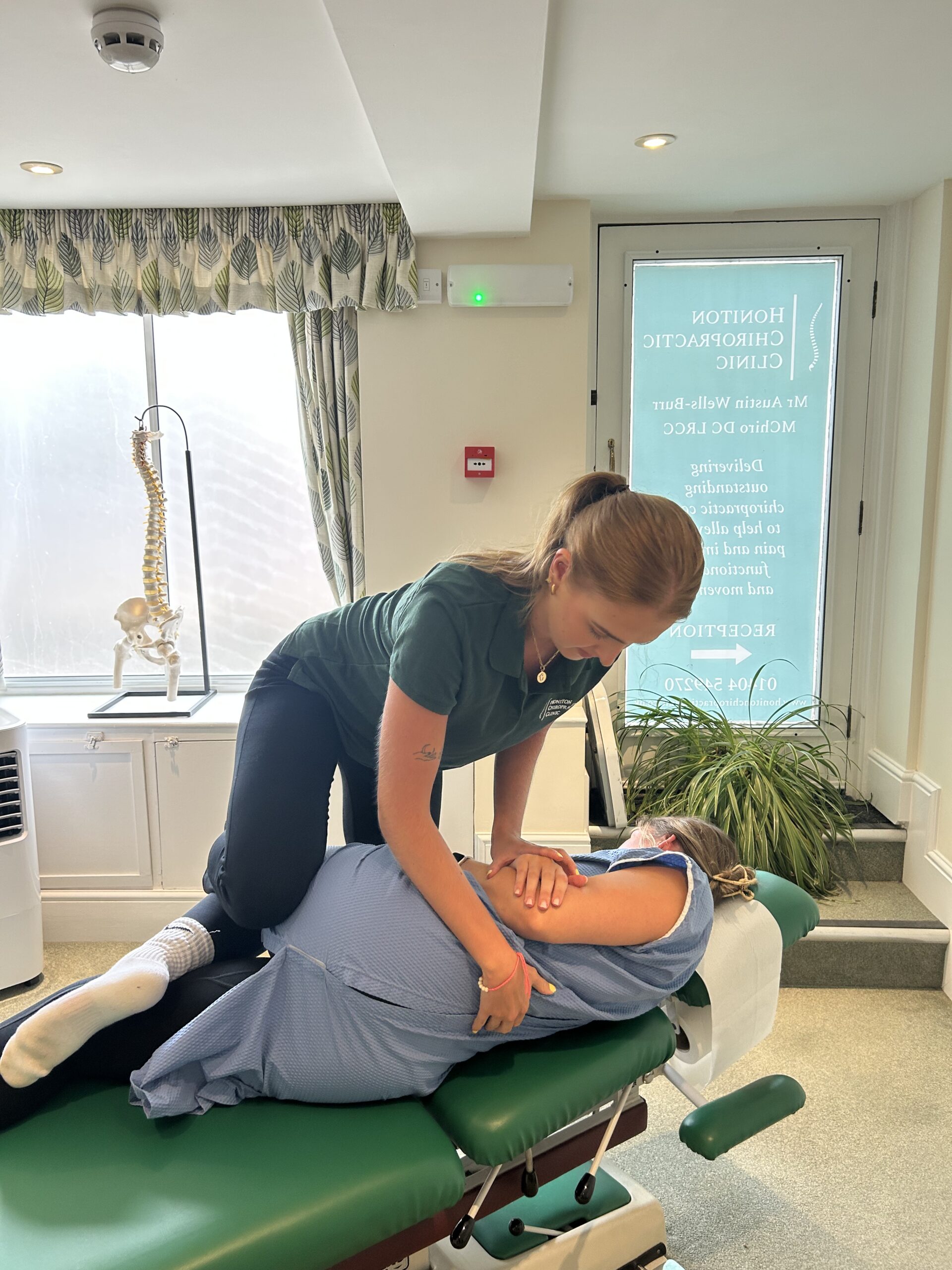
Where appropriate, chiropractic care can help improve joint mobility, reduce restriction and support more comfortable movement.
“The treatment I received today was excellent and professional. I was really pleased with the outcome and advice given. Austin took the time to listen and understand the issues I was facing in a positive and understanding way. I would highly recommend The Honiton Chiropractic Clinic.”
Joints commonly affected by pain and stiffness
Joint pain can affect different areas of the body depending on movement demands, load and daily activity. Some joints are more commonly affected due to their role in weight-bearing and repetitive use.
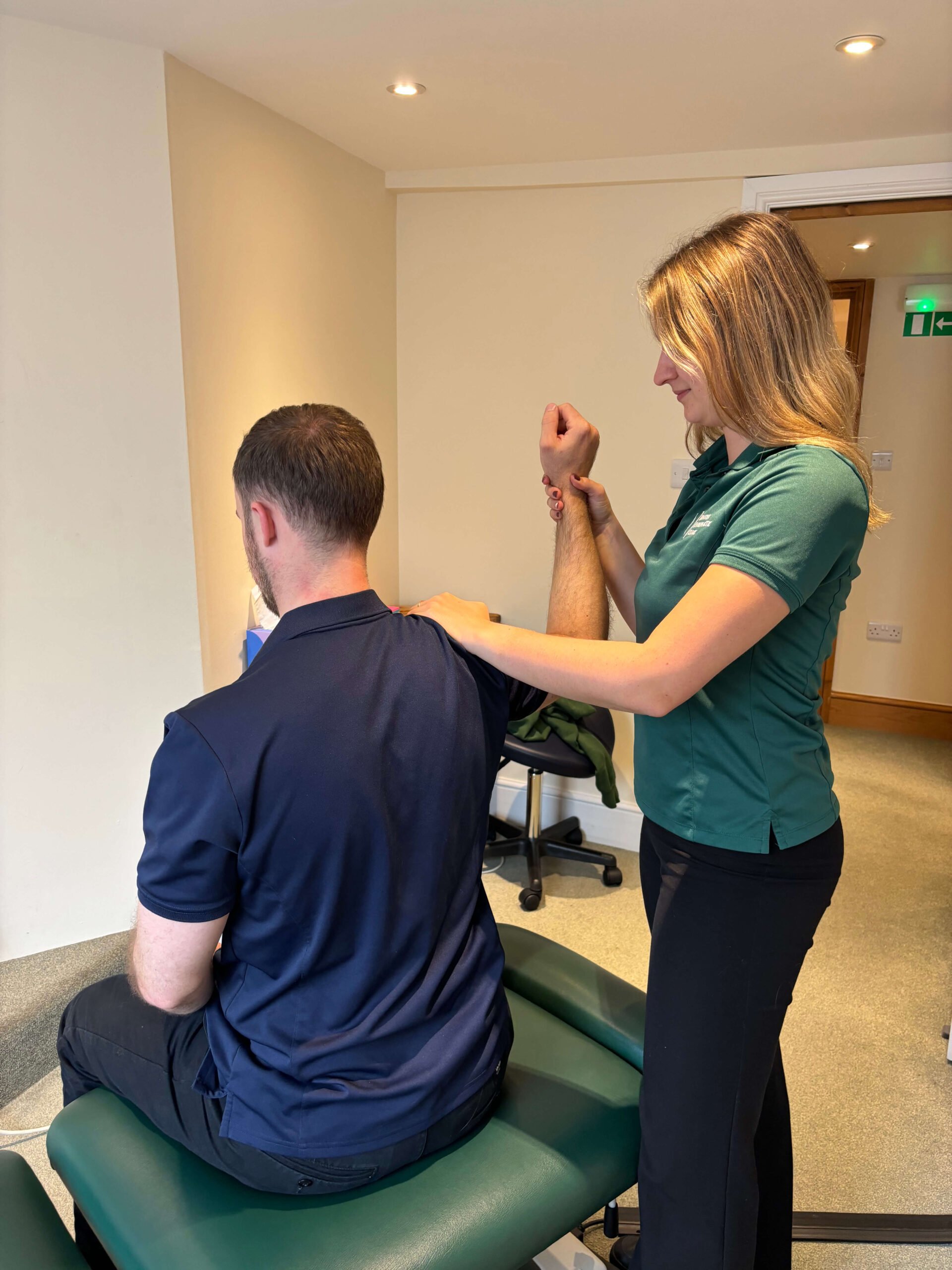
Shoulders, hips and knees
Major weight-bearing and movement joints that can become stiff, painful or restricted through wear, overuse or reduced movement.
Hands, wrists and elbows
Joint pain often linked to repetitive tasks, strain or prolonged positions that affect strength, grip and everyday function.
Ankles and feet
Pain or restriction in these joints can affect balance, walking and overall movement, making daily activities more uncomfortable.
How chiropractic care can support your joint pain
Chiropractic care focuses on how your joints move and how surrounding muscles and tissues support them. When joints become stiff or restricted, extra strain can be placed on nearby areas, contributing to discomfort and reduced function.
Where appropriate, treatment aims to improve joint movement, reduce muscle tension and encourage healthier movement patterns. Care is always tailored to your comfort level and individual needs, using gentle, evidence-based techniques.
If further investigation or referral is required, we’ll explain this clearly and help guide you toward the most appropriate next step.